
After Nearly 30 Years, Tupac’s Murder Finally Goes to Trial
Today, August 10, a Las Vegas courtroom does something hip-hop has waited three decades for. Duane “Keffe D” Davis stands trial for orchestrating the murder of Tupac Shakur.
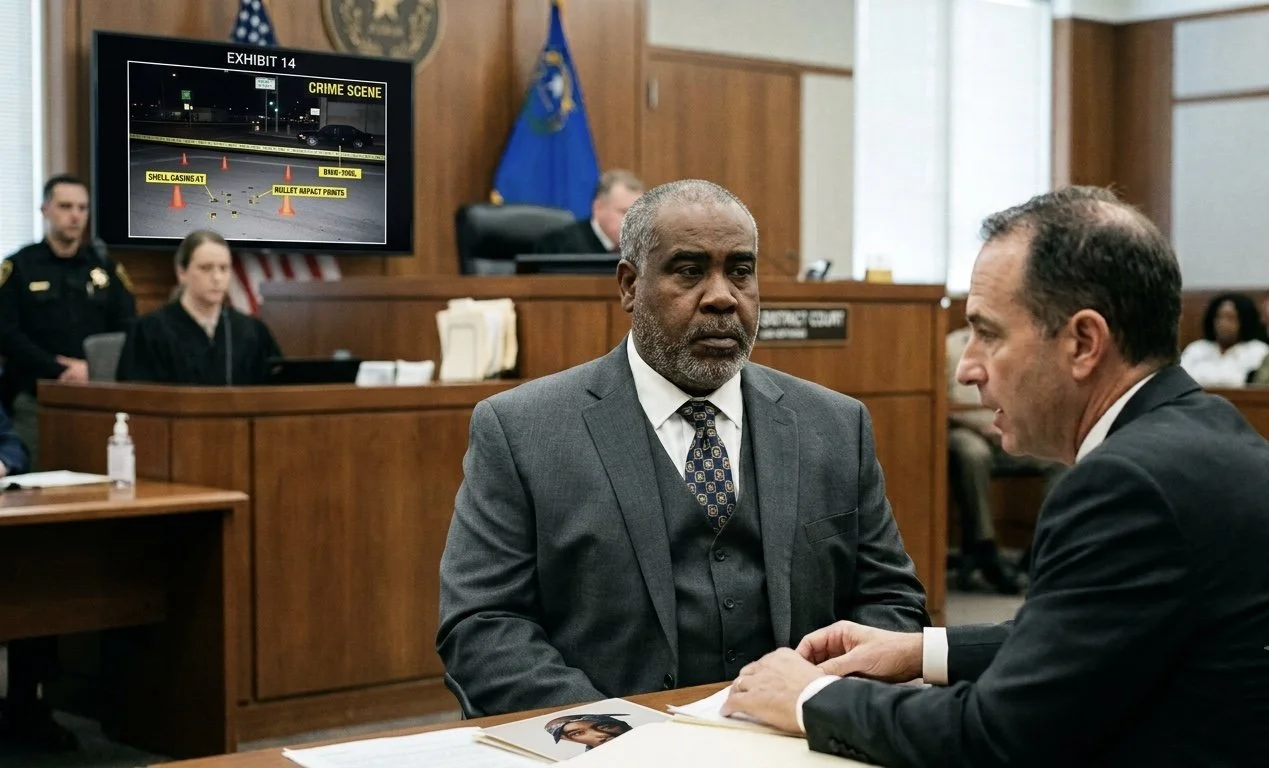
This isn’t a documentary rehash or another true-crime podcast theory. This is real, and it’s happening now.
Who’s on Trial, and For What
Davis, 63, faces a single count of murder with a deadly weapon, with an added charge that the killing furthered criminal gang activity. He’s been held without bail at Clark County Detention Center since his arrest in September 2023. He’s pleaded not guilty.
Prosecutors say Davis was the “shot caller” behind the group that fired on Tupac’s car on the Las Vegas Strip on September 7, 1996. Tupac died six days later. He was 25. Suge Knight, riding with him, was wounded but survived.
Davis is the only person from that car still alive.
The Case Has No Smoking Gun. It Has His Own Mouth.
Here’s what makes this trial unlike almost any murder case: there’s no weapon in evidence, no getaway car recovered, no surveillance footage of the shooting. What prosecutors have instead is Davis himself.
Over the years, Davis has talked. A lot. He wrote a 2019 memoir, “Compton Street Legend,” laying out his version of that night in vivid detail, describing getting a gun, getting in a Cadillac with three others, spotting Tupac’s car, and what happened next. He’s given interviews. He appeared in a BET documentary and said the fatal shot came from the backseat, where his nephew Orlando Anderson was sitting.
Prosecutors plan to use Davis’s own words, across the book, the interviews, and statements to police, as the backbone of their case. The defense’s counter is straightforward: call the book unreliable, call the interviews exaggerated for book sales and camera time, and argue the real story doesn’t match the public one.
Why It Took Almost 30 Years
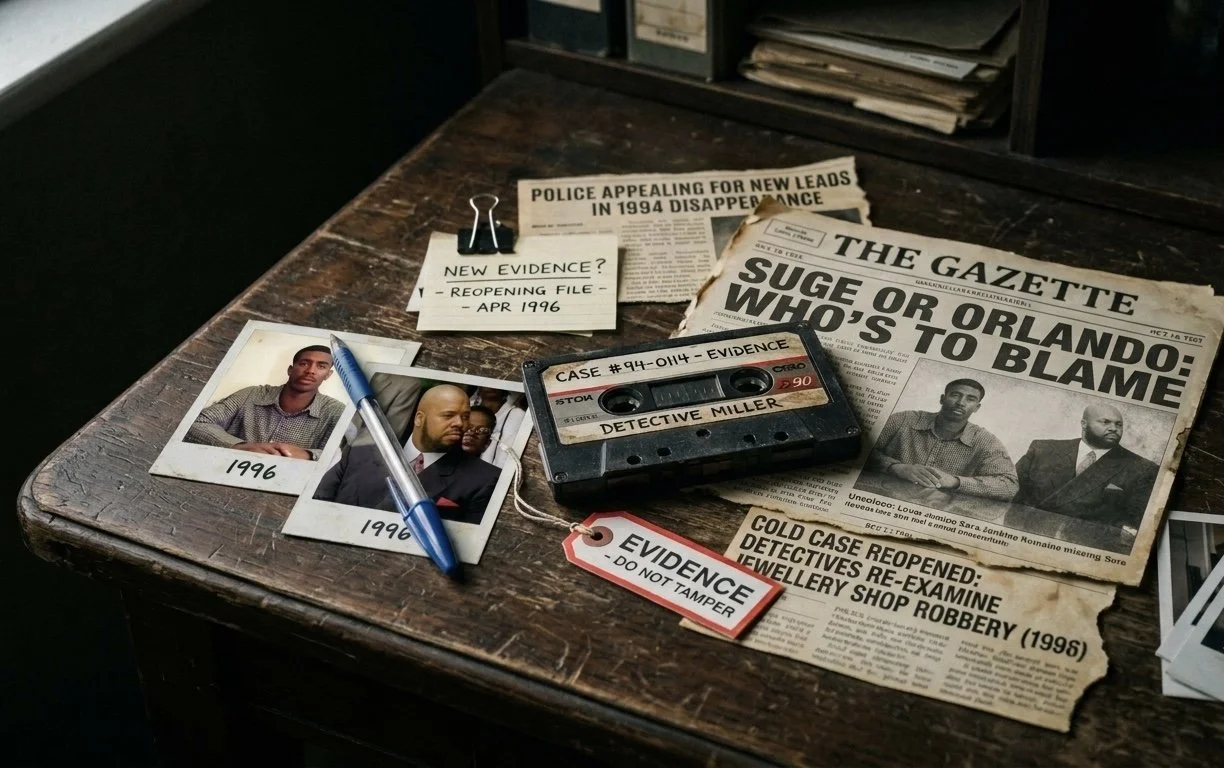
Anderson, the man Davis named as the actual shooter, died in an unrelated shooting in 1998 and was never charged. For decades, the case went cold, revived periodically by documentaries, podcasts, and Davis’s own media appearances, but never resulting in charges. Davis wasn’t arrested until 2023, and the trial itself has been delayed multiple times since, pushed from an original 2025 date to February 2026, then finally to this week, as his defense team worked through what they described as an overwhelming volume of evidence.
What Happens This Week
Jury selection begins the trial and is expected to take about a week on its own. Once a jury is seated, the trial itself could run as long as six weeks. Expect the first real fireworks once opening statements start, likely within days of jury selection wrapping.
One complication prosecutors have already acknowledged: nearly 30 years is a long time. Some witnesses have died. Others may not remember details with the clarity a courtroom demands. Suge Knight himself could be a witness, but he’s currently serving a 28-year sentence for an unrelated fatal hit-and-run, which gives the defense an easy angle to question his credibility on the stand.
Why This Still Matters to the Culture
Tupac wasn’t just an artist, he was a voice that shaped how hip-hop understood pain, struggle, and truth-telling. His murder has functioned for 30 years as an open wound in the culture, equal parts mystery, myth, and grief. Every anniversary brings new documentaries and new theories. None of it has ever been tested in a courtroom until now.
Mopreme Shakur, Tupac’s stepbrother, has spoken about what sitting through this trial will mean. He’s called it something that will be retraumatizing to witness, but says he’s staying cautiously hopeful the process leads somewhere real. That’s probably the most honest way to describe where the whole culture stands watching this unfold: hopeful, but not naive about how hard these cases are to close cleanly, even with a defendant’s own words on the record.
Whatever verdict comes out of this courtroom in the weeks ahead, it closes a chapter that’s been open since before some of hip-hop’s current biggest artists were born. We’ll be following it as it develops.
Follow along with more coverage as the trial unfolds. For more on the culture, the history, and the stories that shaped hip-hop, check out the latest issue of Scrilla Guerillaz Magazine.