
Streetwear’s Shift: Bye Hypebeast, Hello Architecture
The Streets Stopped Shouting. Now They’re Building.
For twenty years, streetwear had one language: louder. Bigger logos. Brighter drops. A hoodie wasn’t worth wearing unless everybody in the room knew what it cost. That era isn’t dead yet, but it’s definitely limping. Walk through any city block right now and you’ll notice something different happening on people’s backs. Nobody’s asking you to read the label anymore. They want you to see the shape.
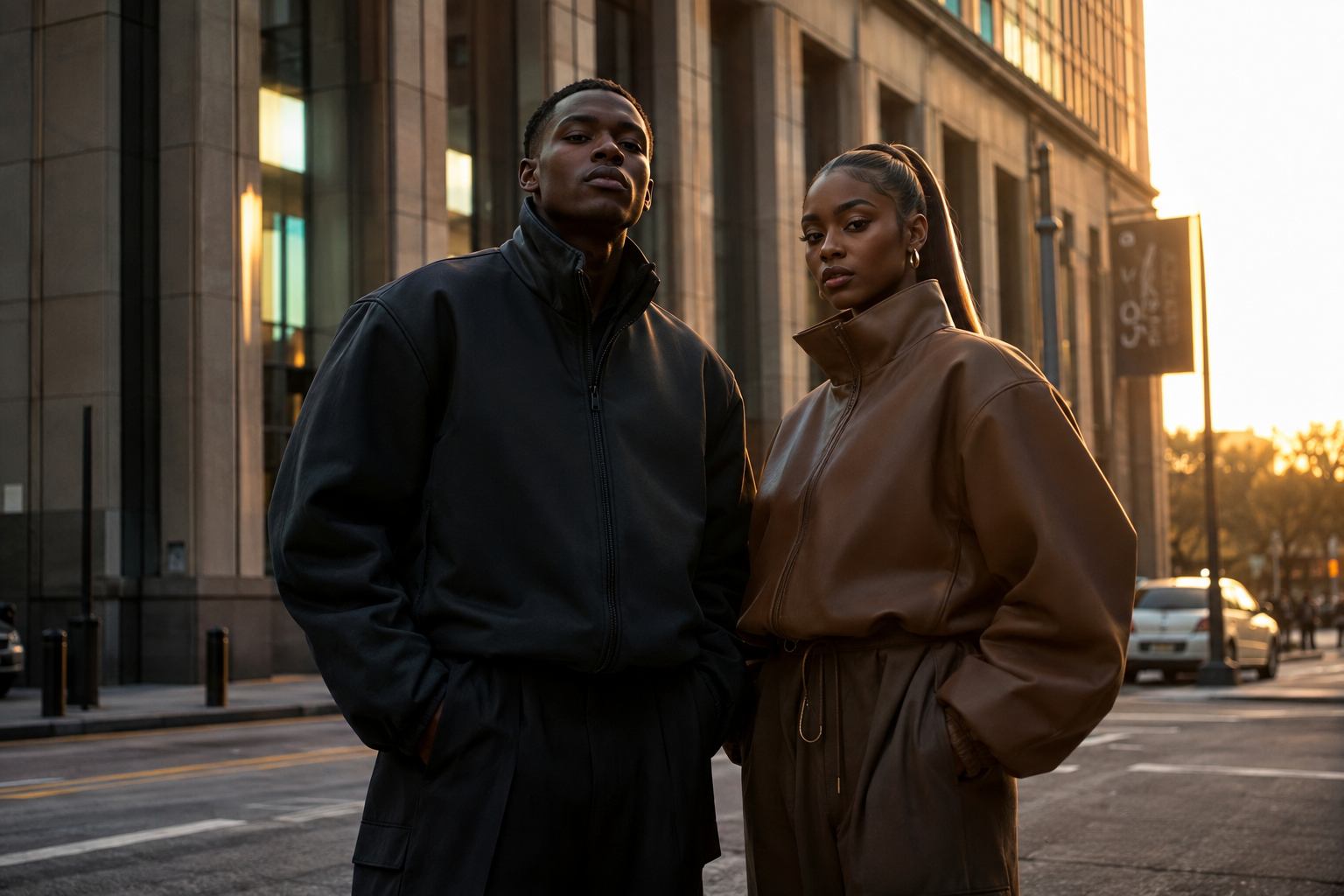
From Hypebeast to Architect
The culture has a new obsession, and it’s called “Architectural Oversize.” Forget the sloppy, borrowed-from-your-cousin baggy look that defined the last wave of streetwear. This is engineered. Think heavyweight fabrics holding sharp 3D silhouettes, pieces built with actual structure instead of just extra yardage. It’s oversized, but it’s not shapeless. There’s intention in every seam.
That distinction matters. The old hypebeast game was about volume, of releases, of hype, of who could line up first and flex hardest online. The new wave is about craft. It’s less “did you cop it” and more “who made this and how.” That’s a real shift in values, and it says something about where urban culture’s head is at heading into the back half of the decade.
Sustainability Isn’t a Footnote Anymore
Here’s the part that would’ve sounded corny five years ago: the streets care about where the fabric comes from now. “Eco-Utility” is the phrase designers keep circling back to, high-performance outdoor materials meeting recycled street silhouettes. Multi-pocket functionality. Earth tones instead of neon flex colors. Boots getting swapped for lighter, breathable builds that don’t wreck your feet after a full day on concrete.
This isn’t the streets going soft. It’s the streets growing up. A generation that watched fast fashion trash the planet and their wallets at the same time is now building a wardrobe that’s supposed to last, physically and culturally. Durability is the new drip.
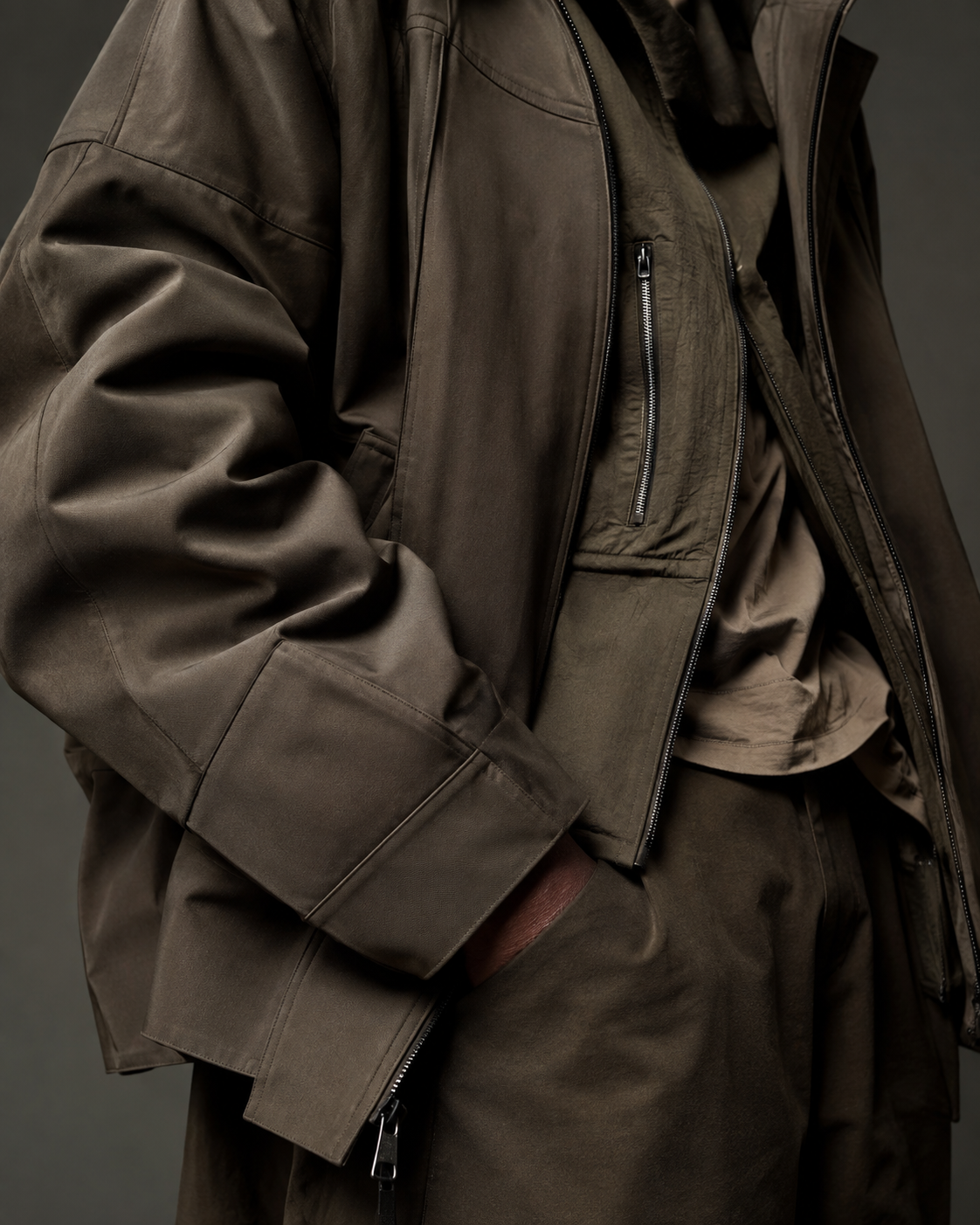
Sportswear Still Runs the Building, But the Blueprint Changed
Sportswear swallowed luxury a while back, and that’s not reversing. Brands like Off-White and Fear of God are still the reference points everybody checks before a drop. But the influence pipeline looks different now. It’s not just runway to street anymore. Fashion insiders are pointing at courtside, not just the front row, as the new place where style gets decided. Athletes are doing to fashion what rappers did a decade ago: setting the pace before the industry even catches on.
For a magazine built on the intersection of music, culture, and street style, that’s not a side note. That’s the whole story. The artists SGZ covers have always understood that what you wear is part of the message. Now the fashion world is finally catching up to what the culture’s been doing all along: treating style as a statement of who’s really building something, not just who’s spending the most.
What This Means If You’re Actually Building a Wardrobe
If you’re trying to stay ahead instead of playing catch-up, here’s where to put your attention:
Look for structure, not just size. Oversized doesn’t mean shapeless anymore. If a piece is baggy but has no architecture to it, it’s already dated.
Check the fabric story. Where something’s made and what it’s made from is becoming part of the flex, not something you hide.
Layer with intention. Hoodies, vests, and jackets stacked isn’t random anymore. It’s a look, and it should read like one.
Watch the courts, not just the runways. If you want to know what’s next before it’s everywhere, tennis and basketball culture are currently doing more heavy lifting than fashion week.
Stay skeptical of the loudest logo in the room. The culture’s already moved past it. If a brand is still selling you volume over vision, that’s a sign they’re behind, not ahead.
The Bigger Picture
What’s really happening here isn’t just a fashion trend, it’s a mood shift. After a decade of algorithmic churn, everybody copying everybody, creative directors getting swapped like it’s fantasy football, the culture is tired of noise. People want things that feel real again. Craftsmanship. Story. Something that took actual thought instead of a marketing calendar.
That’s not unique to fashion. It’s the same energy showing up in music right now, where independent artists are finding real traction without waiting for a label’s permission slip. It’s the same energy in how people are choosing brands, choosing artists, choosing who gets their attention. Authenticity isn’t a buzzword anymore. It’s the whole filter.
Urban culture has always led on this stuff first and let everybody else figure it out later. This moment is no different. The streets already know the difference between somebody flexing a logo and somebody who actually built something. 2026 is just the year the rest of the industry finally admits it.
Want more on where the culture’s actually headed? Check out the latest issue of Scrilla Guerillaz Magazine for the features, the artists, and the style moves setting the pace before everyone else catches up.